Air Duct Cleaning for Allergies: Breathing Easier in the Twin Cities
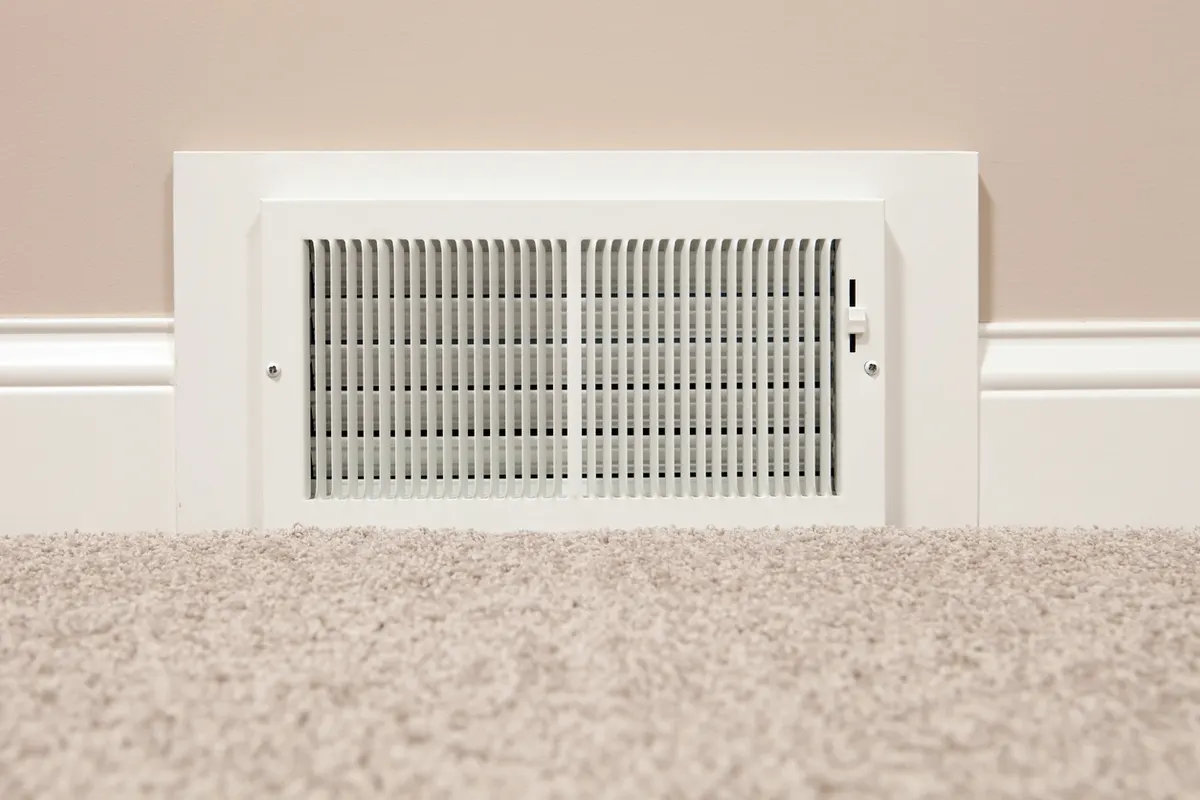
For allergy and asthma households, the duct system is not a detail — it is the reservoir. What duct cleaning can honestly do for sensitive homes, what it cannot, and how to make the result last.
The Reservoir Problem
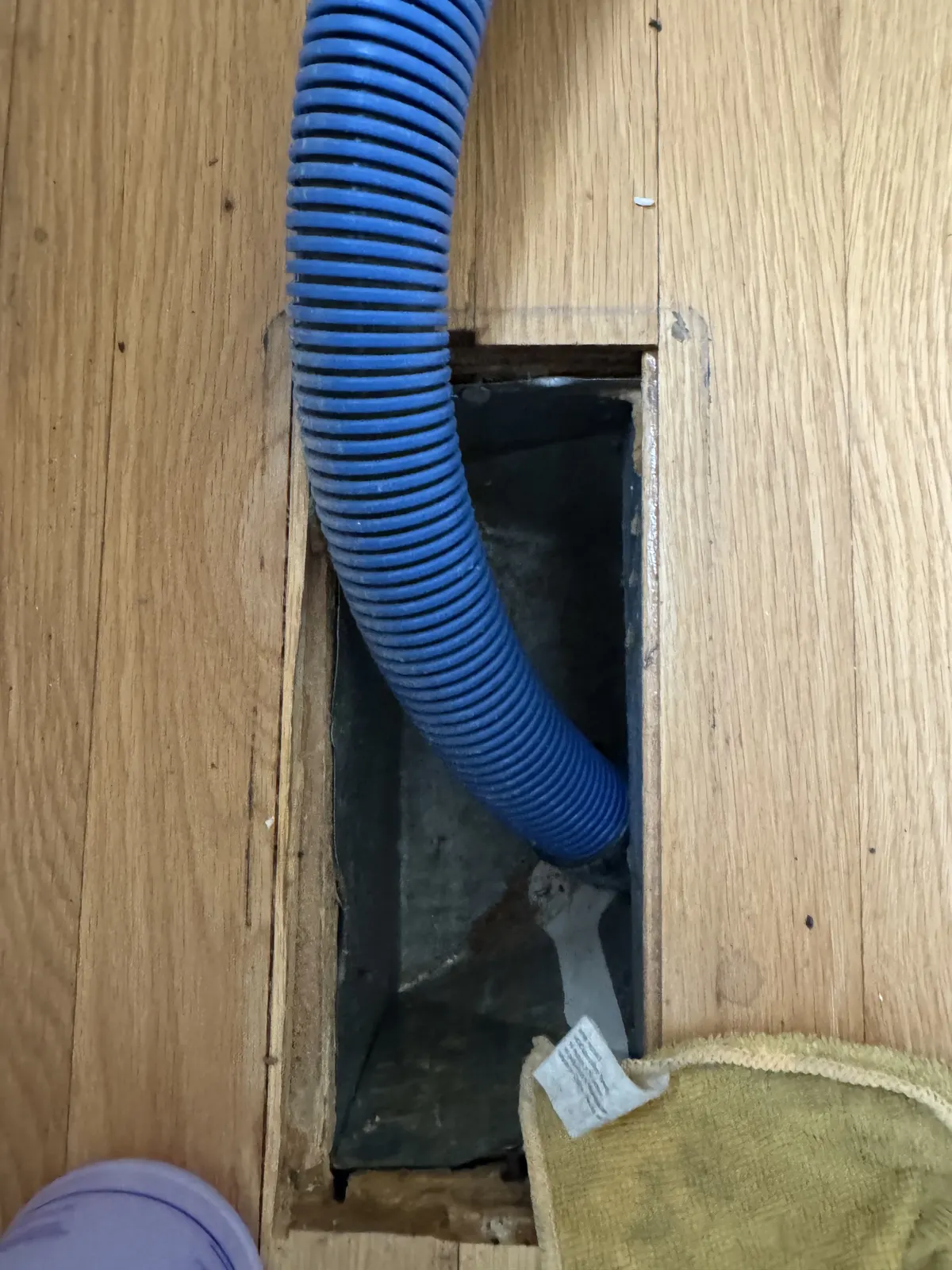
If someone in your home lives with allergies or asthma, the duct system matters more than most people realise. Ducts collect the exact triggers — pollen, dust mite debris, pet dander and mould spores — and the blower redistributes a share of them every cycle. Wiping surfaces and changing filters helps, but the reservoir is inside the ductwork, upstream of everything you can reach.
What Cleaning Can and Cannot Do
Honesty first: duct cleaning does not cure allergies, and any company that promises a cure is selling, not informing. What it does is remove a major indoor reservoir of triggers at the source. Many sensitive households notice less settled dust, fewer musty odours and easier mornings — especially through the closed-house months of a Minnesota winter, when the same air recirculates for weeks.
How an Allergy-Focused Cleaning Runs
The full-system protocol, with the priorities an allergy home needs: returns first, because that is where room air and everything in it enters the system. Vacuum exhaust is HEPA-filtered and the system stays under negative pressure, so removed material does not enter your rooms during the job. Sanitizing is the standard finish, and before we leave we talk filters — grade, change interval, and a realistic re-clean schedule for your household.
Making the Result Last
A cleaning buys the most when the habits around it change too: filters changed every 1–3 months, bedrooms treated as the priority zone, shoes and outerwear kept near the door through pollen season, and a re-clean every 2–3 years instead of the standard 3–5. We will set the schedule based on what the camera actually found in your system — not a generic script.
Should Sensitive Family Members Be Out During the Job?
They do not have to be. The system is sealed and under negative pressure throughout, and our exhaust is filtered. Many families with a highly sensitive member still choose to be out for the cleaning itself and return once the sanitizer has dried — we will advise based on your situation and tell you exactly when each room is fine to re-enter.
Related Services & Service Areas
Need Help With This?
Our related service: Duct Sanitizing & Disinfecting — Antimicrobial fogging treatment applied through the system after cleaning — the finish allergy and asthma homes ask for.